
Would you like more information about the Video Bachelor’s Degree in Game Art?
"*" indicates required fields
The Video Games Art and Animation Degree offers pioneering training in digital art and animation, combining the artistic field with the conceptualisation and development of video games, applied games, cinematics and digital content for various platforms. The students will learn subjects related to 2D and 3D art, game design, animation, script and business management through real projects which are applied in each course.
The aim of this degree is to train professionals in the different branches of digital art, namely: illustration or concept art, modelling / sculpting and animation, by carrying out digital design or animation projects or through the creation of virtual worlds, with their respective environments and characters. Its application is not only for video games and applied games, but also for the field of art, communication, advertising and other complementary and cross-sectorial disciplines.
As an added value to this degree, the curriculum incorporates three lines of specialisation totalling 48 ECTS, which will allow students to obtain honours in specific areas such as Programming, Sound Design and Multimedia.
Graduate in Video Games Art and Animation
Arts and Humanities
240
4 years
Mornings and afternoons
On-campus
40
More information
Specialised Training
It is a pioneering degree in the training of digital artists, specialists in video games in the Basque Country, in which the sector requires more professionals to meet its need for growth and expansion. The most cutting-edge tools in the industry of the sector are used in this degree course.
A Booming Industry
The demand for interactive content, video games and applied games is growing significantly and the sustainability expectations of the industry are high. The creation and artistic design of video games requires qualified professionals (70% of those working in the field of video games have higher education*), for a sector which accounts for more than half of the business volume of the leisure and culture audio-visual industry, ahead of cinema, theatre, music or reading. The comprehensive training offered through this degree is one of the best endorsements in forming part of this booming industry.
*White Paper of the 2021 Spanish Development of Video Games (DEV in its Spanish acronym).
A Needed Profile
Profiles related to the artistic development of video games and applied games offer a final employability rate of 37%. An increase of 13% is expected in the need for the artist’s profile for video games in the coming years.
| Subject | Semester | Credits |
|---|---|---|
|
1 |
6 |
|
|
1 |
6 |
|
|
1 |
6 |
|
|
1 |
6 |
|
|
1 |
6 |
|
|
2 |
6 |
|
|
2 |
6 |
|
|
2 |
6 |
|
|
2 |
6 |
|
|
2 |
6 |
| Subject | Semester | Credits |
|---|---|---|
|
1 |
6 |
|
|
1 |
6 |
|
|
1 |
6 |
|
|
1 |
6 |
|
|
Game Design II |
1 |
6 |
|
2 |
6 |
|
|
2 |
6 |
|
|
2 |
6 |
|
|
2 |
6 |
|
|
2 |
6 |
| Subject | Semester | Credits |
|---|---|---|
|
1 |
6 |
|
|
1 |
6 |
|
|
1 |
6 |
|
|
1 |
6 |
|
| Music and Multimedia (Optional) |
1 |
6 |
| Sound Design I (Optional) |
2 |
6 |
|
Immersive technologies (Optional) |
2 |
6 |
| Advanced Texturisation |
2 |
6 |
| Design and Art for Environments and Levels |
2 |
6 |
| VFX – Compositing for Special Effects |
2 |
6 |
| Project III |
Anual |
12 |
| Subject | Semester | Credits |
|---|---|---|
|
Optional |
1 |
6 |
|
Optional |
1 |
6 |
|
Optional |
1 |
6 |
|
Optional |
1 |
6 |
|
Optional |
2 | 6 |
|
Optional |
2 |
6 |
|
Optional |
2 |
6 |
|
Optional |
2 |
6 |
|
Final Degree Project |
Anual |
12 |
It will provide training and learning outcomes to enable the development of projects based on multimedia technologies, including imagery, music and immersive environments for entertainment, healthcare, education or any application in which technology plays a key role.
| Subjects | Credits |
|---|---|
|
Multimedia Production |
6 |
|
Technology and Graphics |
6 |
|
Transmedia Programming |
6 |
|
Digital Content |
6 |
|
Music and Multimedia |
6 |
|
Immersive Technologies |
6 |
|
User Experience |
6 |
|
Transmedia project |
6 |
It will provide training and learning outcomes relating to the benefits of sound technologies. Through this specialisation, students will be able to create and manipulate different sounds and music to suit the narrative requirements of a creative project in the field of video games.
| Subjects | Credits |
|---|---|
|
Sound Narrative and Language |
6 |
|
Audio-visual Technology |
6 |
|
Sound Design 1 |
6 |
|
Sound Design 2 |
6 |
|
Sound Design for Interactive Media |
6 |
|
Immersive Audio |
6 |
|
Interactive Multimedia Project |
6 |
|
Video Game Technology |
6 |
| Asignaturas | Créditos |
|---|---|
|
External Academic Practices |
6 |
|
External Academic Practices |
6 |
|
Creation of Characters and Creatures |
6 |
|
Rigging: Skeleton and Joint Assembly |
6 |
|
Development of Atmosphere and Objects |
6 |
|
Technical Art for Games (Technical Art) |
6 |
|
Project IV |
12 |
Applicants may access this degree programme, under the conditions established by Royal Decree 534/2024 of 11 June and the applicable regulations in force, provided that they meet at least one of the following requirements (see the access requirements for the University Degree in Video Games Art and Animation).
The University does not envisage any access tests being required for this degree. Thus, access to the first year of the degree will be through university pre-registration, a system that guarantees equal conditions in the entry process for the first year of any university course.

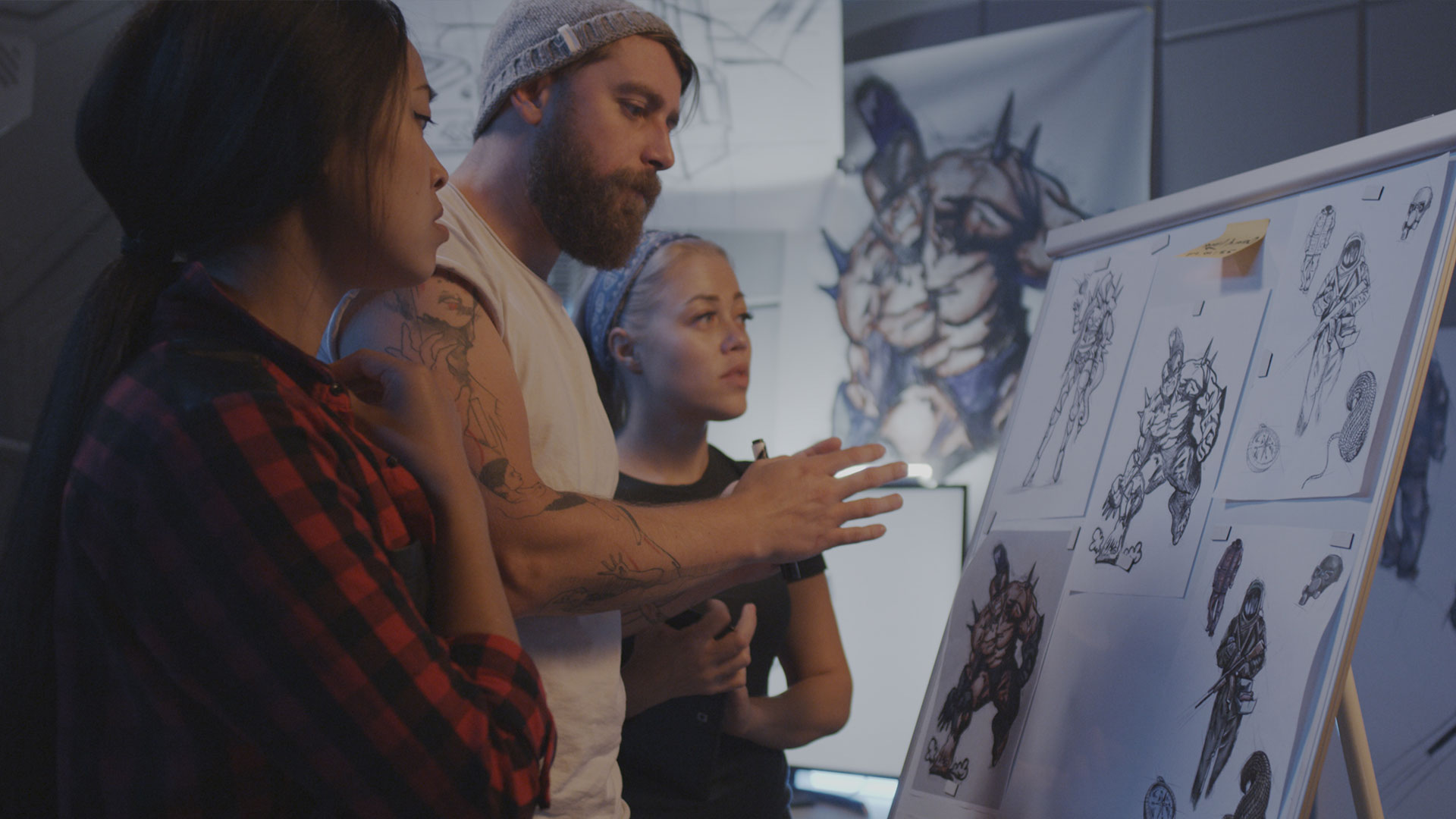
The students of this degree will gain knowledge on art and design, as well as their application in video games and other digital content.
















The creativity we can explore in different subjects is what motivates me most about this degree.

What I like most about the degree is the freedom we have to create and experiment. I love how we can combine what we are truly passionate about—video games—with the more technical side, learning step by step how to develop them from scratch.

(*) Important note: This university degree is pending official recognition in accordance with current legislation. In order for it to become official and for teaching to commence, the following pending procedures must be completed:

