
Would you like more information about the Advanced Course?
"*" indicates required fields
The Master’s degree in Sports Physiotherapy at EUNEIZ is designed for those seeking to specialise in the treatment and rehabilitation of sports-related injuries, taking a practical and evidence-based approach.
An advanced training programme specialising in the assessment, treatment and rehabilitation of sports injuries. If you are considering studying sports physiotherapy or wish to take the next step in your professional development, this programme offers a contemporary, practical approach that is tailored to the real-world needs of the sports sector.
This Master’s degree offers an up-to-date, practical and evidence-based approach to sports physiotherapy, incorporating musculoskeletal ultrasound, invasive techniques, therapeutic exercise, complementary technologies and ‘Return to Play’ criteria.
October 2026 *Detailed timetable to be confirmed.
14 intensive seminars
30 places
60 ECTS
Face-to-face
Fridays and Saturdays from 9.00 am to 2.00 pm and from 3.00 pm to 8.00 pm.
Click here
The programme is structured around modules covering the fundamentals of sports physiotherapy, ultrasound, upper and lower limb pathologies, sport-specific injuries, manual therapy, invasive techniques, complementary technologies, rehabilitation, ‘Return to Play’, psychology, nutrition, sports podiatry, sports emergencies and the Master’s Thesis.
The syllabus comprises 48 ECTS credits of modular study and 12 ECTS credits for the Master’s Thesis.
Fundamentals of Sports Physiotherapy
Anatomical, biomechanical and physiological principles, and functional assessment of athletes.
Ultrasound I
Basic musculoskeletal ultrasound, use of the ultrasound scanner and anatomical examination.
Ultrasound II
Ultrasound imaging of musculoskeletal lesions and clinical-ultrasound correlation.
Upper Limb Pathology
Assessment and management of joint, tendon and muscle injuries affecting the upper limbs.
Lower Limb Pathology
Assessment and management of joint, tendon and muscle injuries affecting the groin, hip, knee and ankle.
Sport-Specific Injuries
Common injuries in different sports.
Manual Therapy
Clinical reasoning, joint mobilisation and neurodynamics.
Invasive Techniques I
Dry needling, electroacupuncture, safety and risk management.
Invasive Techniques II
Ultrasound-guided invasive techniques and percutaneous electrolysis.
Invasive Techniques III
Neuromodulation and advanced procedures.
Complementary Technologies / Rehabilitation I
Photobiomodulation, diamagnetic therapy, diathermy, shockwave therapy and the principles of rehabilitation.
Rehabilitation II + Return to Play
Functional progression, objective RTP criteria and decision-making.
Psychology, Nutrition and Sports Podiatry
Biopsychosocial factors, nutritional support and podiatric assessment.
Sports Emergencies
Basic Life Support (BLS), Automated External Defibrillator (AED) use and pitch-side emergency response.
Master’s Thesis
Individual project focusing on sports physiotherapy and performance rehabilitation.
*Provisional timetable.
The planned teaching structure is organised into a series of intensive seminars. Each seminar will take place on a Friday and Saturday, from 9.00 am to 2.00 pm and from 3.00 pm to 8.00 pm. A detailed timetable will be approved for each edition, following the indicative sequence set out below.
| Indicative period | Modules | Comments |
|---|---|---|
|
Period 1 |
Modules I-IV |
Start of the programme; fundamental principles, basic ultrasound and an introduction to sports medicine. |
|
Period 2 |
Modules V-VIII |
Sports medicine, specific injuries and initial advanced treatment techniques. |
|
Period 3 |
Modules IX-XII |
Advanced invasive physiotherapy, complementary technologies, rehabilitation and RTP. |
|
Period 4 |
Modules XIII-XIV + TFM |
Complementary subjects, emergencies, supervision and completion of the Master’s thesis. |
This Master’s degree in sports physiotherapy is aimed at physiotherapists who wish to specialise in the field of sports physiotherapy. It is also an option for those wondering where to study sports physiotherapy with a practical, performance-oriented approach.
*Open to physiotherapy students with fewer than 13 ECTS credits remaining to pass.
The Master’s degree in sports physiotherapy enables students to pursue a specialised career in the fields of sport, rehabilitation and high performance. The main career opportunities include roles at:
Furthermore, studying sports physiotherapy enables you to develop a distinctive career profile within the healthcare sector, for which there is growing demand due to the rise in sport and physical activity.
Throughout the Master’s degree in Sports Physiotherapy, you will develop the skills required to intervene effectively throughout the entire process of injury and rehabilitation for athletes – from the initial assessment through to a return to play – utilising the diagnostic, therapeutic and functional progress monitoring tools characteristic of contemporary sports physiotherapy.
The course combines clinical knowledge, practical application and decision-making in real-world contexts, enabling students to practise sports physiotherapy using a contemporary, evidence-based approach.
This qualification enables you to:
This approach enables us not only to treat injuries, but also to understand the entire process of recovery and performance optimisation within the field of sports physiotherapy.
The teaching staff comprises EUNEIZ lecturers and external professionals with proven expertise in sports physiotherapy, sports medicine, ultrasound, invasive physiotherapy, rehabilitation, nutrition, psychology, podiatry and emergency care.
Academic Director of the Master’s programme. PhD in Health Sciences (UIC Barcelona International University of Catalonia), Official Master’s Degree in Clinical Research (UIC Barcelona International University of Catalonia), Bachelor’s Degree in Physiotherapy (University of Lleida).
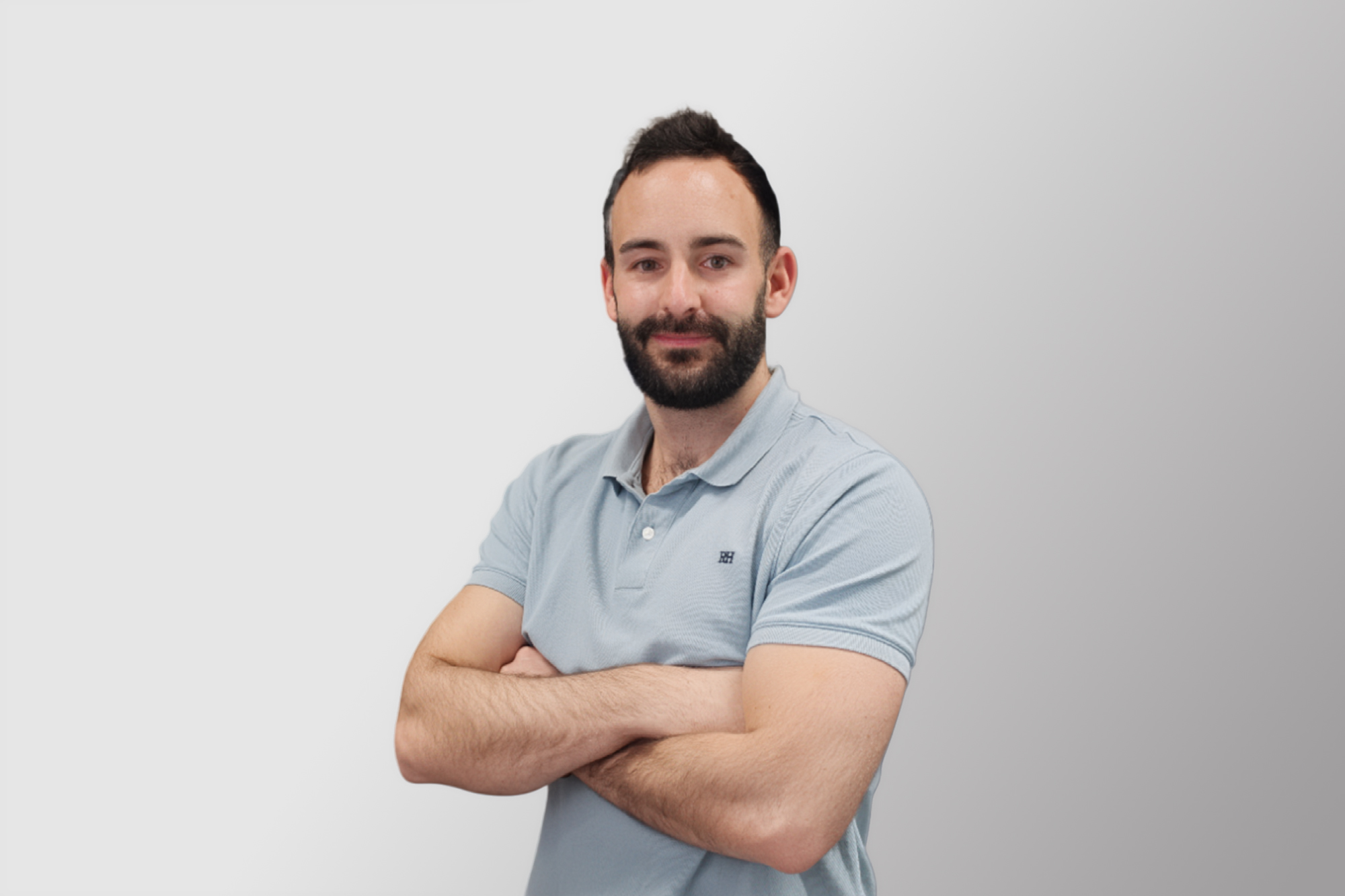
Co-director of the Master’s programme. Sports physiotherapy and sports ultrasound; Bachelor’s degree in Physiotherapy from the Pontifical University of Salamanca; Master’s degree in Invasive Physiotherapy.
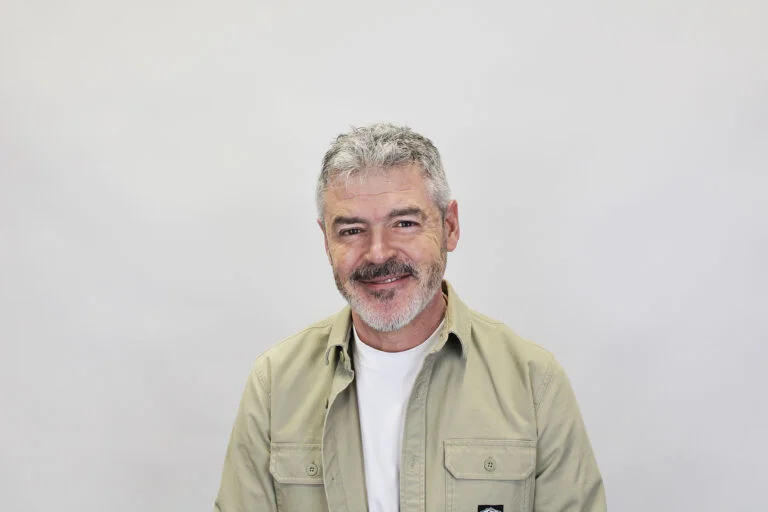
Co-director of the Master’s programme. PhD in Physiotherapy, Official Master’s Degree in Invasive Physiotherapy (San Pablo Ceu), Official Master’s Degree in Osteopathy (E.U. Gimbernat), Official Master’s Degree in Physiotherapy and Scientific Evidence (UIC Barcelona International University of Catalonia).
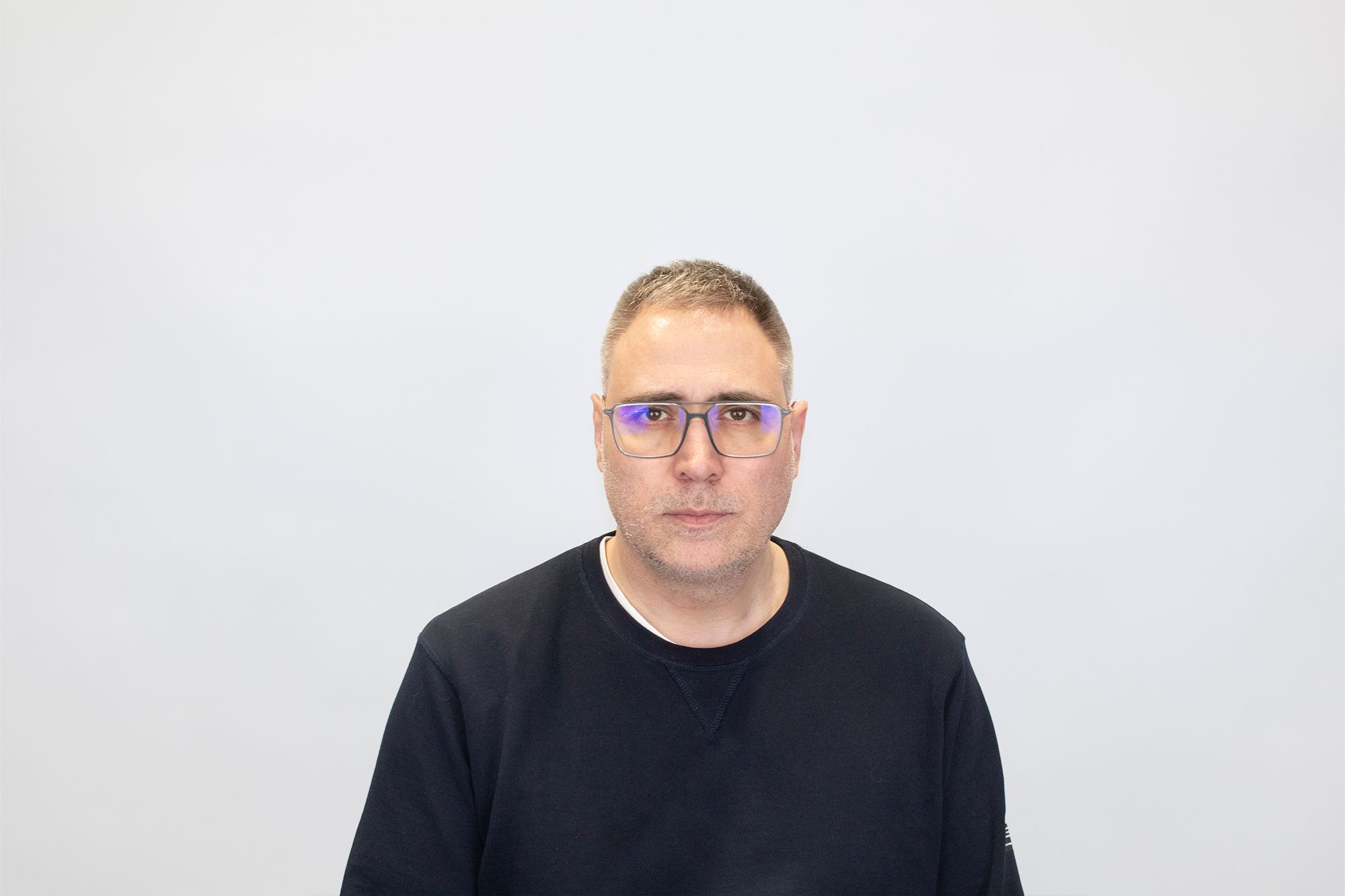
Lecturer on the Master’s programme. Bachelor’s Degree in Physiotherapy (University of Lleida), Master’s Degree in Physical Assessment and Training for Health (University of Zaragoza), PhD in Health Sciences (UIC Barcelona International University of Catalonia).
No, sports physiotherapy is used for both professional and amateur athletes. Studying sports physiotherapy enables you to work in clinics, rehabilitation centres or with active people seeking to regain their functional ability and performance levels.
Studying sports physiotherapy enables students to develop skills in functional diagnosis, performance rehabilitation and clinical decision-making in sporting contexts, which sets this specialism apart within the healthcare sector.
Yes, many professionals studying sports physiotherapy are already working in clinics and are looking to set themselves apart. This type of specialisation enables practitioners to broaden their knowledge, adopt new techniques and focus on the treatment and rehabilitation of active patients or sportspeople.