

Want more information about the Advanced Course?
"*" indicates required fields
The Advanced Course in Immersive Technologies and Artificial Intelligence is a flexible and modular program designed to improve or update skills in immersive technologies, artificial intelligence and advanced interaction systems, in an international environment and with strong professional relevance. A one-year fully online programme awarding 60 ECTS through stand-alone modules or full enrolment, aimed at professionals and graduates, particularly from non-STEM fields, who are looking for applied XR skills to develop advanced technological solutions integrating AI, XR and interactive systems into professional, research and innovation contexts.
This program is co-taught by EUNEIZ, ISTEC and UNINT, leading universities in immersive technologies and AI in Europe.
The curriculum combines academic rigor with practical vision, promoting innovation, research and interdisciplinary collaboration in real contexts of development of immersive experiences and intelligent systems based on Artificial Intelligence.
Fundamentals and Applications of Virtual and Augmented Reality. It introduces historical developments, fundamental principles, and applications in various industries of immersive technologies.
Introduction to Computer Graphics and 3D Modeling: Provides essential skills for creating and manipulating visual assets and simple 3D models in real-time environments.
Artificial Intelligence Principles for Immersive Systems: Explore how AI techniques improve interactivity and personalization in Extended Reality (XR), also addressing ethics and energy efficiency.
Human-Computer Interaction (HCI) and Usability: Focuses on designing immersive systems that are accessible, easy to use, and focused on user experience.
Cybersecurity in Virtual and Augmented Environments: Addresses the specific challenges of data protection and security in the context of XR technologies.
Virtual Reality Hardware and Systems: Focuses on XR device ecosystems, system architectures, performance constraints, and energy efficiency.
Social, Collaborative, and Playful Virtual Environments: Explore the design of multi-user XR spaces that foster collaboration and shared presence, analyzing their social implications.
Innovation, Ethics and Regulation in Immersive Technologies: Situates AI and XR-powered systems within the legal, ethical and sustainability frameworks of the European Union.
Applied Global Project: Acts as a final experience where participants integrate all the knowledge and practical skills acquired to solve real-world challenges.
27 April 2026
9-month intensive program, 9 modules, 2 semesters
Online
8 estimated hours of work per week (3 synchronous hours + asynchronous videos and other activities)
Check here
April 2026; September 2026; February 2027; September 2027; February 2028; September 2028; February 2029
Check here
Immersive technologies, applied AI, advanced interfaces, advanced simulation, XR experience design
Graduates of this advanced program will be trained to join production and development teams for all sectors, guiding their trajectory towards the application of AI and its XR application, in roles such as:
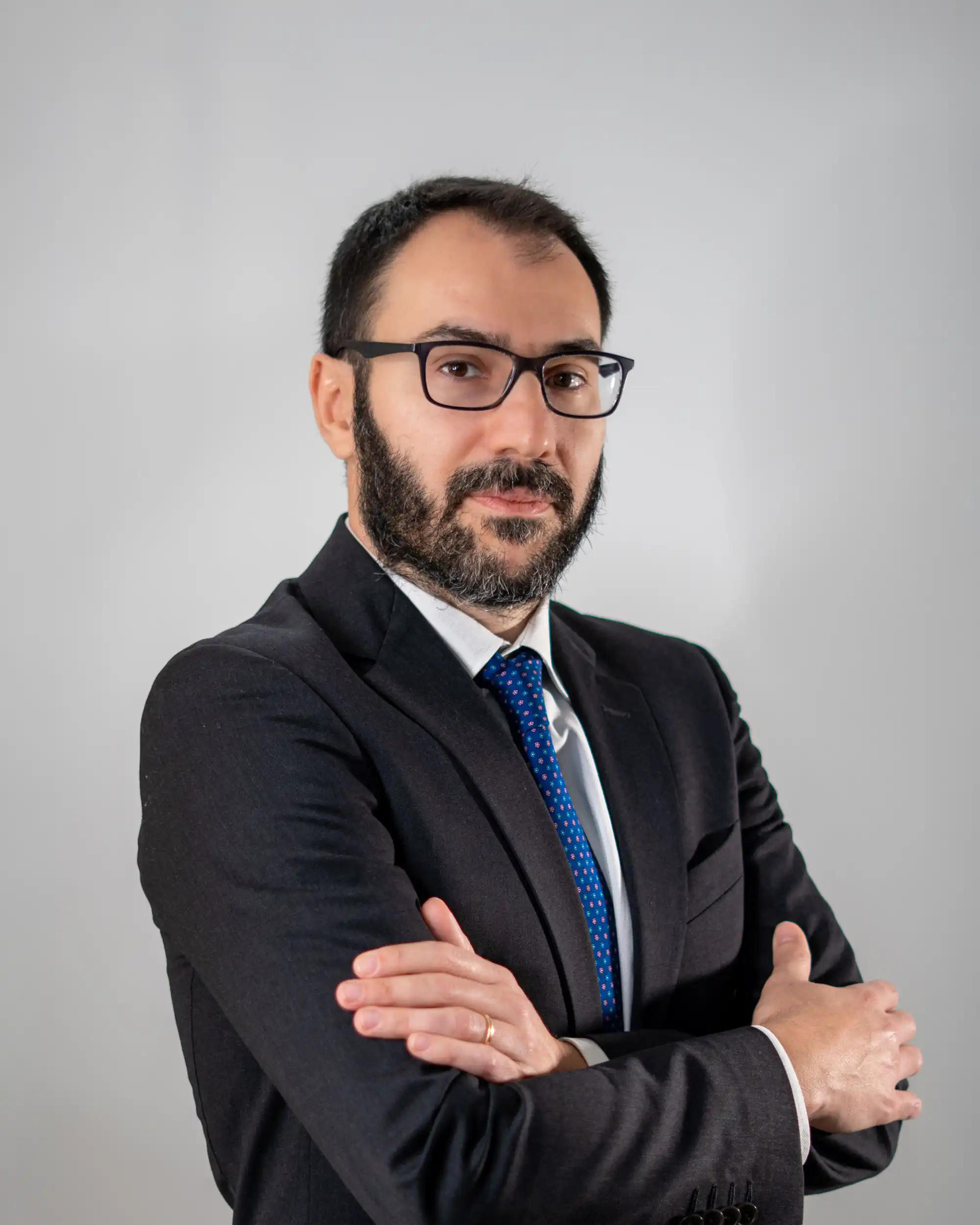
Graduated in Digital Art and Animation (DigiPen). Specialist in 3D modeling and asset optimization for video games. He has worked at Herobeat Studios and is a professor at EUNEIZ University.

PDI in EUNEIZ (New Interactive Technologies). PhD in Engineering and graduate in Pedagogy and ICT. Specialist in research and teaching on e-learning and immersive technologies.

PhD in Electronic Engineering and expert in gamification. Director of ENTI-UB and senior consultant at Cookie Box. Member of the Forbes list of the 100 most creative and consultant in multiple European projects of Serious Games.
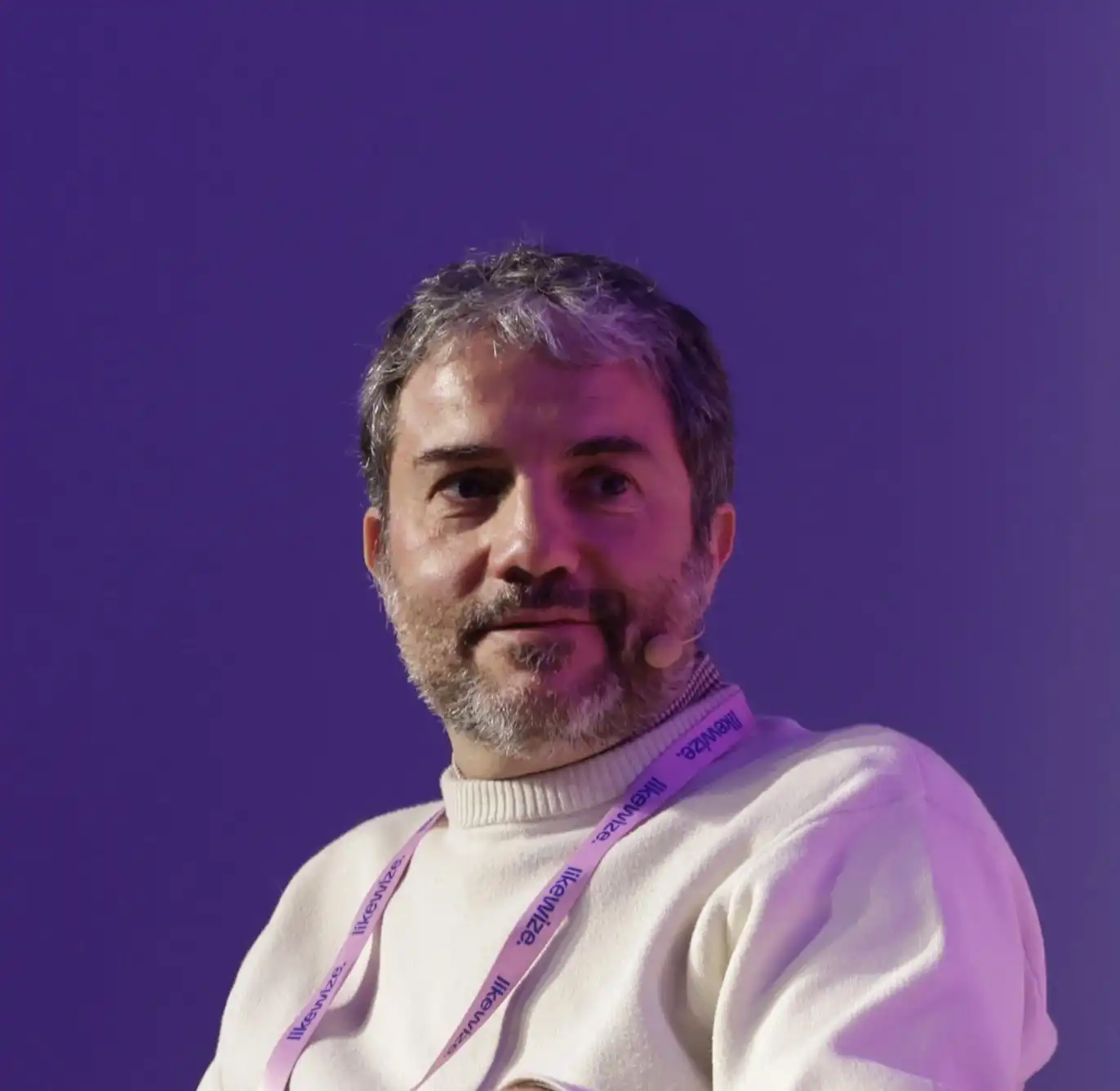
Professor at the Politecnico di Milano. Expert in BIM (Building Information Modeling), architectural representation and digital technologies applied to heritage.

PhD from the Politecnico di Milano (2026). Specialist in the convergence of BIM, AI and immersive technologies. Researcher in collaborative workflows and data representation in advanced digital ecosystems.
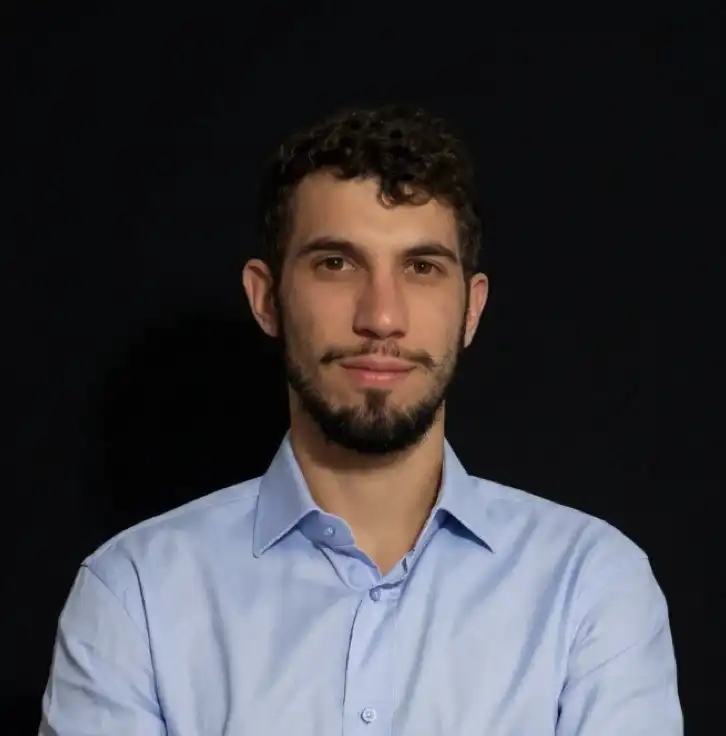
PhD in Engineering and History (ISCTE). Researcher at the Higher Technical Institute and the University of Évora. Specialist in cybersecurity, computer architecture and digital humanities. Author of 6 books and more than 120 articles.

Professor and researcher at ISTEC Lisboa. Specialist in information and communication technologies (ICT), with a focus on network management, computer security and digital learning environments in higher education.

Director of Multimedia Engineering and President of the Pedagogical Council at ISTEC Lisbon. Specialist in digital innovation, information systems and the organizational impact of emerging technologies.

Researcher at UNINT (Rome). PhD from Sapienza, specialist in AI, artificial vision and machine learning applied to robotics, drone monitoring and biomedical data analysis.

Professor at UNINT. Expert in human-computer interaction, gamification and cybersecurity. He coordinates the VIC consortium and directs postgraduate programs in cybersecurity and virtual reality (REAL) risk.
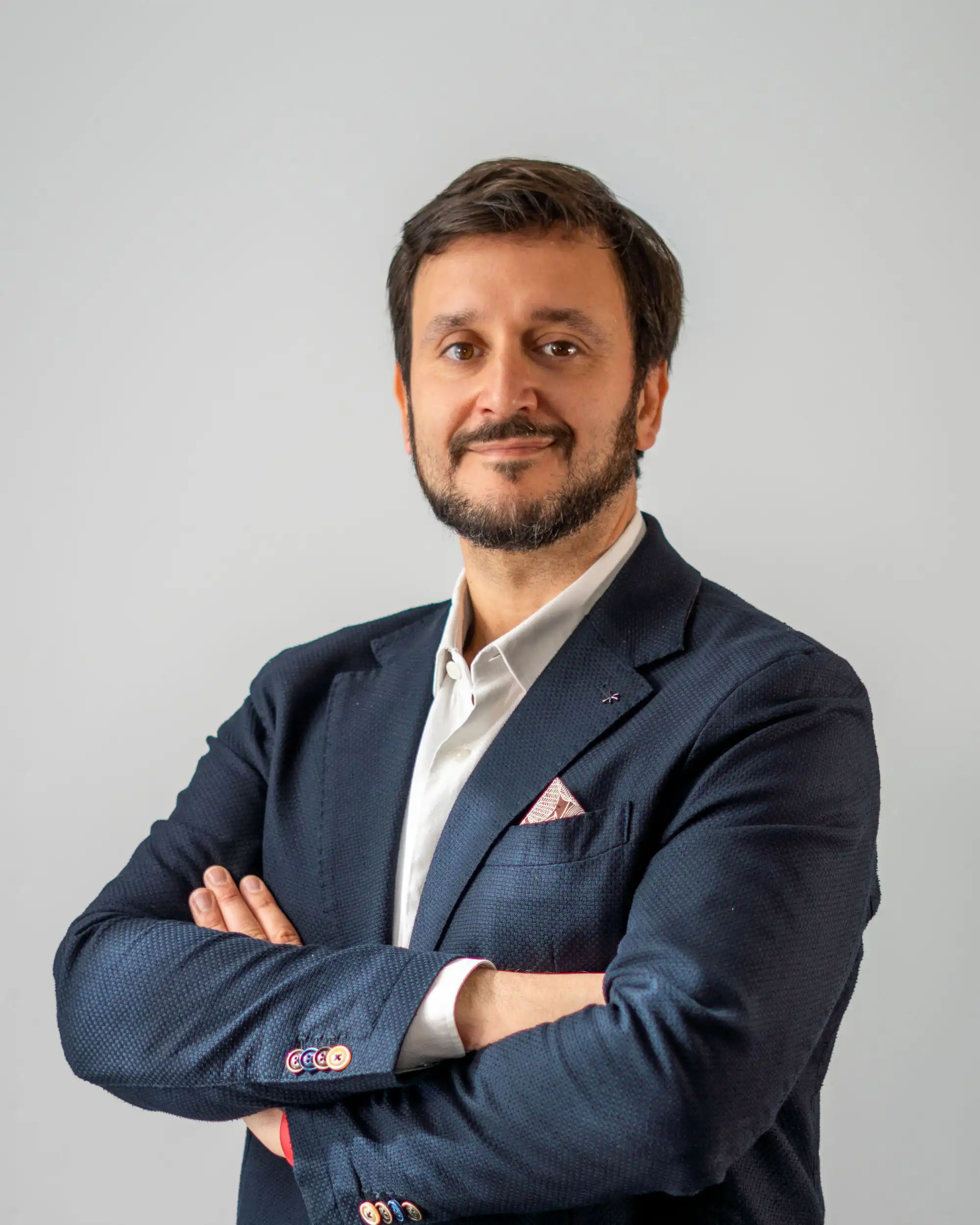
Professor of AI at UNINT. Researcher with extensive international experience (UPenn, Sapienza) and author of more than 80 publications. Specialist in visual perception, multi-robot coordination and medical image analysis.
Train participants to develop advanced technological solutions by integrating AI, XR, and interactive systems in professional, research, and innovation contexts.


This project has received funding from the European Union under the DIGITAL-2024-ADVANCED-DIGITAL-07-KEYCAPACITY programme. Grant Agreement No. 101226225.
Esta página refleja únicamente las opiniones del autor, y la Comisión Europea no se hace responsable del uso que pueda hacerse de la información contenida en la misma.